

We connect students around the world to primary source experts from a wide variety of topics and subjects. For more information, visit edutainmentlearning.com.
Upcoming Live Zoom Sessions
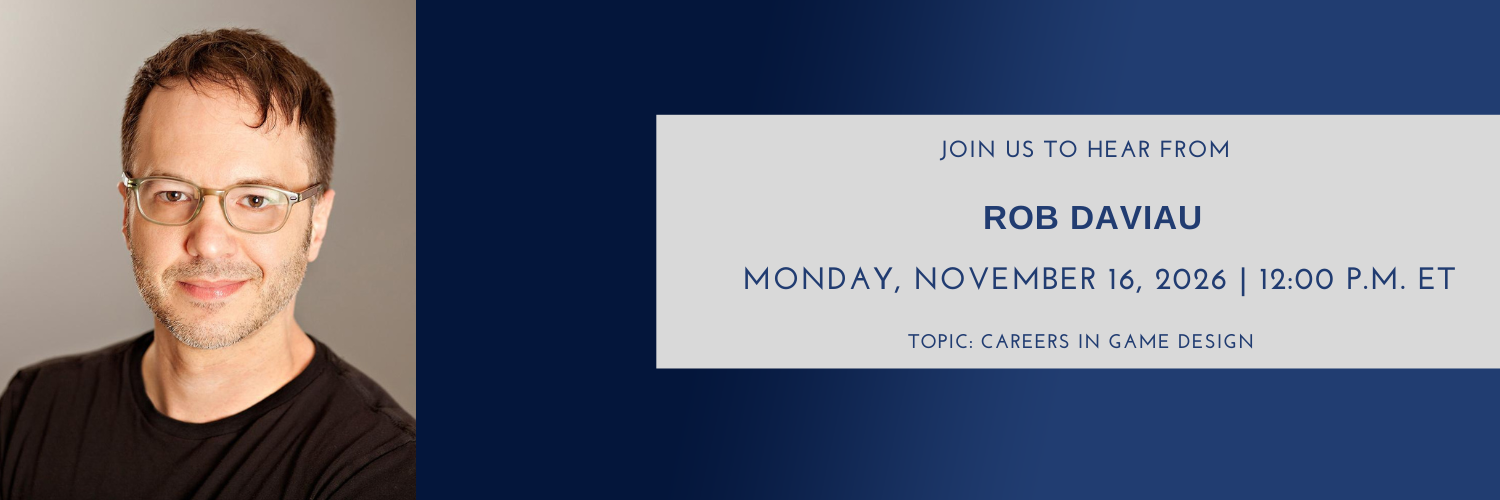
Rob Daviau is an award-winning game designer best known for helping transform the world of tabletop gaming through innovative, story-driven experiences. He is widely recognized as one of the creators of the Legacy game concept—a groundbreaking style of board game in which players’ decisions permanently change the game as they play.
During his career, Rob has helped design or develop more than 100 games. He co-designed the acclaimed Pandemic Legacy series with Matt Leacock, as well as games including Risk Legacy, Seafall, Cthulhu: Death May Die, and Unmatched. His work has earned numerous awards and helped influence a new generation of tabletop game designers.
Before becoming an independent designer, Rob spent years working at Hasbro, where he helped develop games and learned how ideas move from imagination to products enjoyed by people around the world.
For students, Rob’s career demonstrates that creativity, storytelling, problem-solving, psychology, mathematics, and design can all come together in an unexpected career. His journey offers a fascinating look at how someone can turn a love of games and creative thinking into a profession—and even invent an entirely new way for people to play.
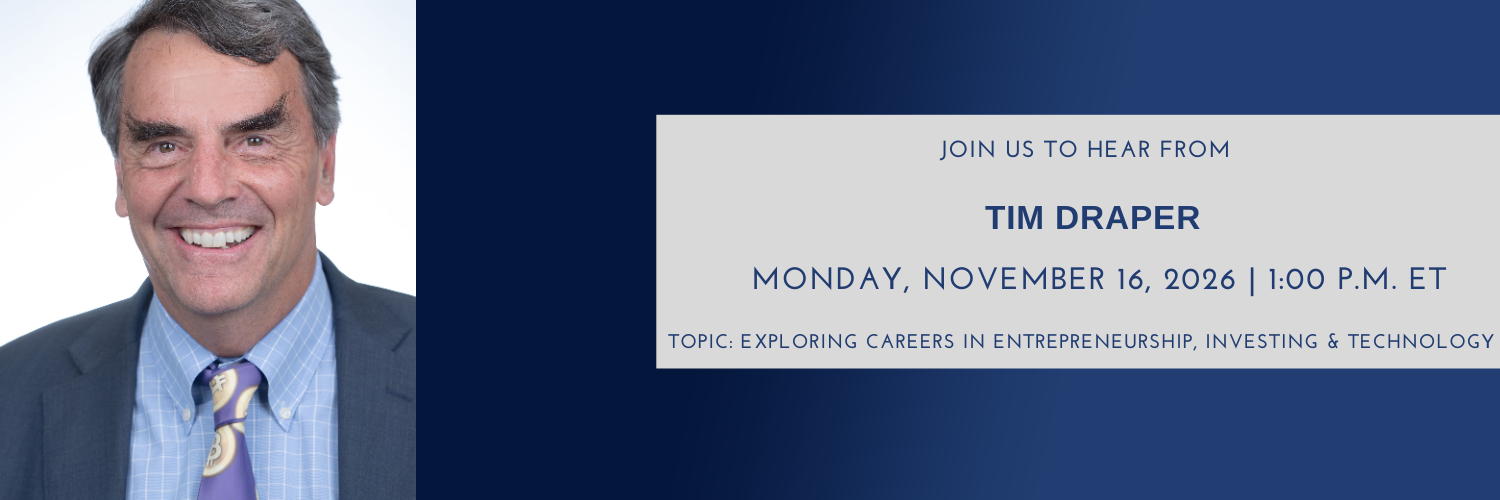
Tim Draper founded Draper Associates, DFJ, Draper University--a global human accelerator, and the globally popular entrepreneur pitch show, "Meet the Drapers." He funded Baidu, Tesla, Skype, SpaceX, Twitch, Hotmail, Focus Media, Robinhood, Athenahealth, Oklo, Coinbase, Cruise, Carta, PTC, and other unicorns, a total of over 50 funded from the seed stage.
He is a supporter and global thought leader for entrepreneurs everywhere, and is a leading spokesperson for Bitcoin, blockchain, ICOs, and cryptocurrencies. He won the Bitcoin US Marshals' auction in 2014.
He created viral marketing, a method that spreads an electronic service from customer to customer exponentially, instrumental to the successes of Hotmail, Skype, and other applications, especially those focused on mail and communications. Social media, crowdsourcing, and growth hacking all grew out of viral marketing.
He is regularly featured on major networks as a proponent of entrepreneurship, innovative governance, free markets, and Bitcoin. Honors include the World Entrepreneurship Forum “Entrepreneur of the World.” Worth Magazine listed him among the one hundred most powerful people in finance. CryptoWeekly ranked him in the top twenty most influential people in crypto. AlwaysOn named him the most networked venture capitalist. He placed seventh on the Forbes Midas List and forty-eighth among the most influential Harvard alumni. Global Guru counts him among the top thirty startup gurus worldwide.
To promote entrepreneurship he created Draper University of Heroes, a residential and online global accelerator in San Mateo, California, that helps extraordinary people accomplish their life missions. The school has trained more than six thousand founders from 104 countries who have founded more than 2000 companies, including: 1063 Games, Lemon, NVision and crypto leader QTUM.
He founded BizWorld, a nonprofit that teaches children how business and entrepreneurship work. He served on the California State Board of Education and led a movement for local choice in schools, culminating in a statewide initiative for school vouchers. He also backed initiatives to create competitive governance with Six Californias and later Three Californias.
Tim Draper earned a Bachelor of Science in electrical engineering from Stanford University and an MBA from Harvard Business School. He holds honorary doctorates from The International University and Trinity College Dublin.
He is a judge on the globally popular TV show "Meet the Drapers" where he has discovered hundreds of successful startups including the unicorn Boxabl, and he is the author of “How to Be the Startup Hero.
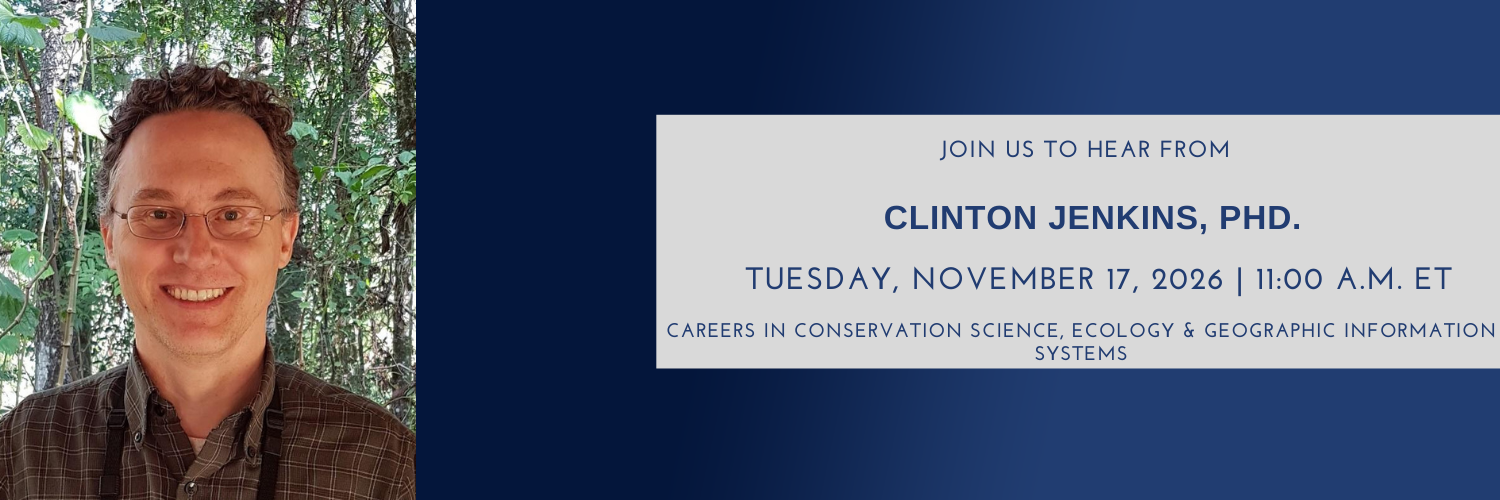
Dr. Jenkins is an associate professor in the Department of Earth and Environment and part of the of the Brazilian Studies Program of the Kimberly Green Latin American and Caribbean Center. His program focuses on the conservation of biological diversity and efforts to reduce the loss of tropical species and ecosystems. He specializes in combining spatial modeling of biodiversity with analysis of conservation policy. The aim is to direct conservation efforts toward the places to save biodiversity most efficiently.
Dr. Jenkins has substantial experience in applied conservation as he worked seven years at a Brazilian conservation non-profit before joining FIU. He also runs the BiodiversityMapping.org site for the dissemination of data on global biodiversity.
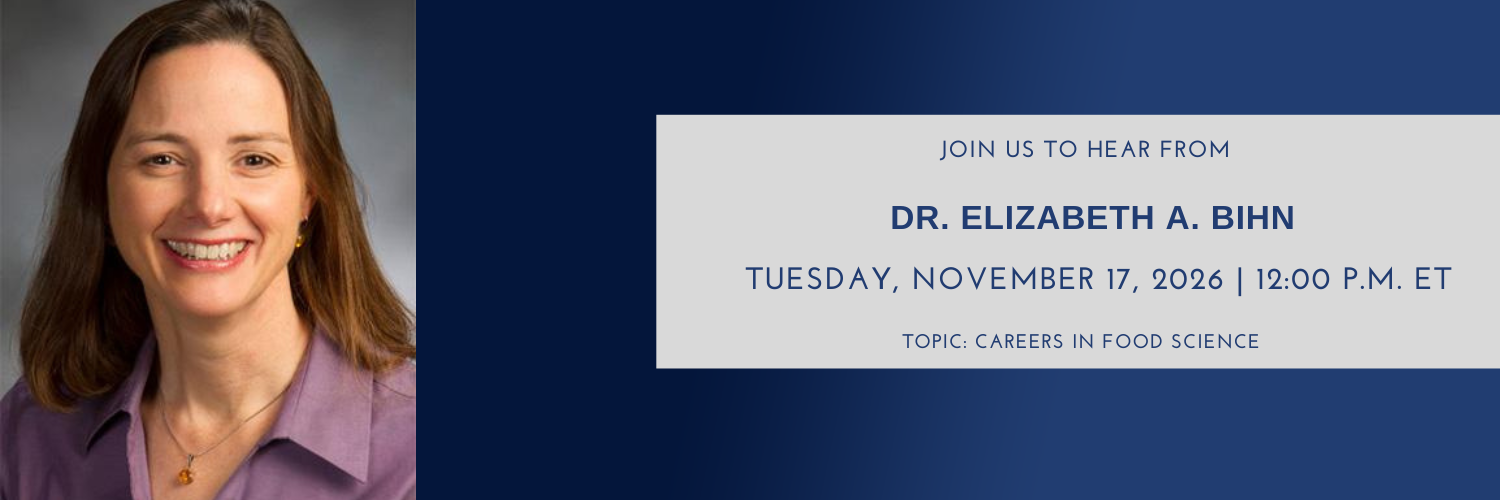
Dr. Elizabeth A. Bihn is a food scientist and educator at Cornell University who has dedicated her career to helping keep fresh fruits and vegetables safe for people to eat. She serves as the Director of the Produce Safety Alliance and the National Good Agricultural Practices Program at Cornell AgriTech, where she works with farmers, farm workers, food-industry professionals, students, and educators to reduce food-safety risks.
Much of Dr. Bihn’s work focuses on understanding how things such as irrigation water, farming practices, harvesting, packing, and transportation can affect the safety of the food we eat. She also helps develop practical training programs that teach growers how to prevent harmful microorganisms from contaminating fresh produce.
Dr. Bihn earned her bachelor’s degree in zoology from The Ohio State University, a master’s degree in horticulture from the University of Florida, and a Ph.D. in food science from Cornell University. Her career is a great example of how science can be used to solve everyday problems that affect millions of people.
During her Edutainment Learning conversation, students will have the opportunity to learn how food travels safely from a farm to their table, what a career in food science looks like, and how scientists work behind the scenes every day to protect the global food supply.
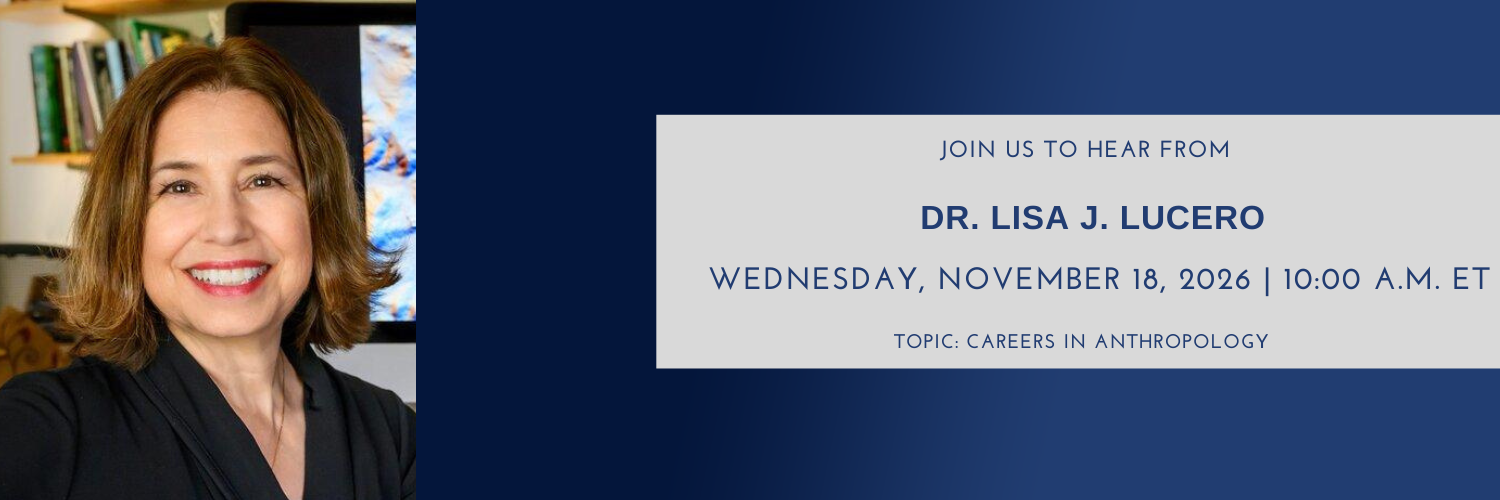
Dr. Lisa J. Lucero is a professor of anthropology at the University of Illinois Urbana-Champaign and an internationally recognized archaeologist whose research focuses on the ancient Maya, climate change, water management, political power, and sustainability. She is also a Fellow of the American Association for the Advancement of Science.
Much of Dr. Lucero’s work explores how ancient Maya communities adapted to environmental challenges, particularly changes in rainfall and access to water. By studying ancient reservoirs, wetlands, settlements, and other archaeological evidence, she investigates how Maya societies managed natural resources and what their successes and failures can teach us about sustainability today.
Dr. Lucero earned her Ph.D. from UCLA and has spent decades conducting archaeological research and teaching students about the connections between people, the environment, and the past. Her recent book, Maya Wisdom and the Survival of Our Planet, explores how lessons from Maya history may help us think differently about climate change and the challenges facing the modern world.
Her career gives students a fascinating look at how archaeology is much more than uncovering artifacts—it can help us understand how civilizations responded to major challenges and how knowledge from the past may help us make better decisions for the future.
Dr. Damian C. Brady is a marine scientist, oceanographer, and professor at the University of Maine, where he serves as the Agatha B. Darling Professor of Oceanography in the School of Marine Sciences. His work focuses on understanding how science and technology can help people make better decisions about the ocean and the coastal communities that depend on it. (The University of Maine)
Dr. Brady studies a wide range of topics, including aquaculture, offshore wind energy, lobster fisheries, coastal water quality, marine carbon dioxide removal, and the effects of climate change on ocean ecosystems. His research team uses tools such as computer models, remote sensing, oceanographic buoys, and economic analysis to better understand how changes in the ocean affect both marine life and people. (The University of Maine)
Much of his work is connected to the Gulf of Maine, an important region for fishing, aquaculture, and emerging ocean industries. He also helps advise major science and policy efforts in Maine, including work related to the state’s climate action plan and offshore wind research. (The University of Maine)
Dr. Brady earned his Ph.D. from the University of Delaware and has built a career at the intersection of science, technology, environmental problem-solving, and public decision-making. (The University of Maine)
For students, Dr. Brady’s career is a great example of how a love of the ocean can lead to work in marine science, environmental research, climate science, fisheries, renewable energy, aquaculture, and ocean technology—all fields that will play an important role in the future of our planet.

Dr. Joshua “Josh” Wurman is an atmospheric scientist and the Executive Director of the FARM Facility, short for the Flexible Array of Radars and Mesonets. FARM uses mobile radars and other weather instruments to study tornadoes, hurricanes, and severe storms in the field.
Dr. Wurman’s research uses Doppler on Wheels, a truck-mounted radar system that allows scientists to measure winds close to a tornado. In one study, he and his colleagues combined radar data, video, and measurements from inside a tornado to see how its winds moved near the ground and compare those winds with the damage left behind.
In this Edutainment Learning conversation, students will hear what it takes to collect data near a tornado and what scientists can learn from a storm that may last only minutes.
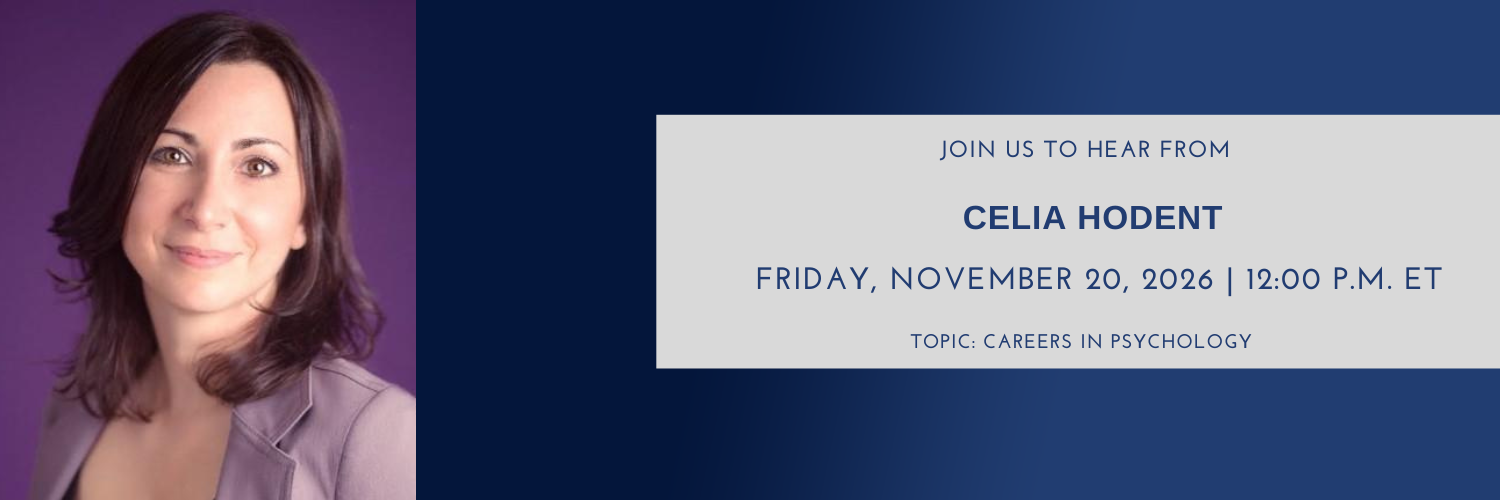
Celia Hodent is a psychologist, author, and expert in user experience (UX) who helps make technology, video games, and digital products easier and more enjoyable for people to use. She combines what scientists know about the human brain with creative design to improve the way people interact with computers, apps, and games.
Celia earned her Ph.D. in psychology in France and has worked with some of the world's leading technology companies. She was a User Experience Director at Epic Games, where she helped improve the experience of players around the world. She has also worked with companies like Ubisoft and has advised organizations in many different industries.
She is the author of The Gamer's Brain, a bestselling book that explains how our brains process information, make decisions, pay attention, and solve problems while playing games. Her work shows that understanding how people think can lead to better technology, better learning experiences, and better teamwork.
Today, Celia is an international speaker and consultant who teaches businesses, educators, and designers how to create products that are engaging, accessible, and centered on human needs. She believes that technology should help people, not frustrate them, and that understanding psychology is one of the most important tools for solving real-world problems.
Through her work, Celia inspires students to see how science, psychology, technology, and creativity can come together to improve everyday life.
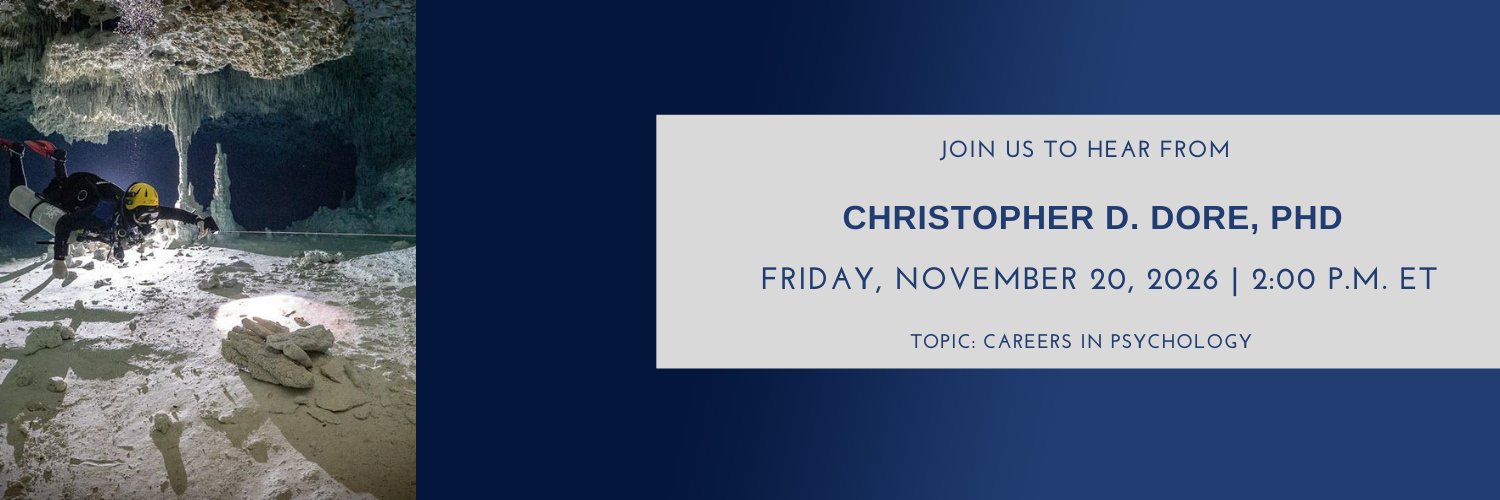
Dr. Dore is a consulting archaeologist specializing in the business of heritage management. Dr. Dore's private-sector career experience includes working in executive and senior management positions for international heritage and environmental consulting firms. He currently works for Heritage Business International, L3C, a social enterprise venture dedicated to strengthing heritage organizations through sustainable capacity building, heritage business education, and providing industry data. He also serves as an expert witness on high-profile criminal and civil cases involving archaeological resources.
Dr. Dore believes that professional service is a fundamental responsibility of being a contemporary anthropologist. He has devoted much of his career to serving colleagues and the profession, highlighted by service as Treasurer of the Society for American Archaeology, President of the American Cultural Resources Association, and Editor of Advances in Archaeological Practice: A Journal of the Society for American Archaeology for which he received an SAA Presidential Recognition Award in 2012. He also received the Asa T. Hill Memorial Award from the Nebraska State Historical Society in 2014 for outstanding contributions to Plains archaeology. In this case, the award was for completing the first state-wide archaeological site/survey GIS database in the United States for the State of Nebraska in 2004. He is currently the President-elect of the Register of Professional Archaeologists and the Treasurer of Archaeology Southwest.
Within the Department of Archaeology, he can be found mentoring and working with students on an individual basis, serving on graduate student committees, providing guest lectures to classes, and supervising students in ARCH551 Heritage Business Management. Dr. Dore is available to students interested in the business of heritage management, geospatial technologies, behavior and the built environment, and Maya archaeology. Because he is infrequently on campus, he encourages interested students to take the initiative to reach out and contact him.
Dr. Dore currently seeks student and professional collaborators to work with him on two data sets on settlement structure and community organization that are unique to Maya studies. One holds data from a large, site-wide systematic surface collection of the archaeological site of Sayil, Yucatan, Mexico. The second has community-scale ethnoarchaeological data on observed behavior and built-environment variability in the village of Xculoc, Campeche, Mexico. While the Xculoc data were collected to address questions about community organization, they can be used to address many questions regarding domestic life, economics, labor, family structure, activities, gender, etc., etc.
Edutainment Podcast
Our podcast features bi-weekly episodes that are uploaded to all major streaming platforms. Each episode comes with a downloadable student worksheet to accompany the listening portion!


Frequently Asked Questions
What is Edutainment Learning? Edutainment Learning is an online educational platform that connects students and teachers to primary sources of learning from a wide variety of subjects. Our goal is to provide students access to in-person conversations with industry leaders, historical figures, athletes, musicians, and more.
Do I need to pay for this service? No! Our newsletter, programming, and student worksheets are accessible to everyone for free.
How do I join the live Zoom sessions? Go to edutainmentlearning.com/upcoming and click the link to join.
How do I find the student worksheets? Go to edutainmentlearning.com/podcasts to download free student worksheets.

